

Why the fear of running out of energy is evolving – and how Solarwarp® offers peace of mind in a volatile future
A Familiar Fear: "Range Anxiety" in E-Mobility
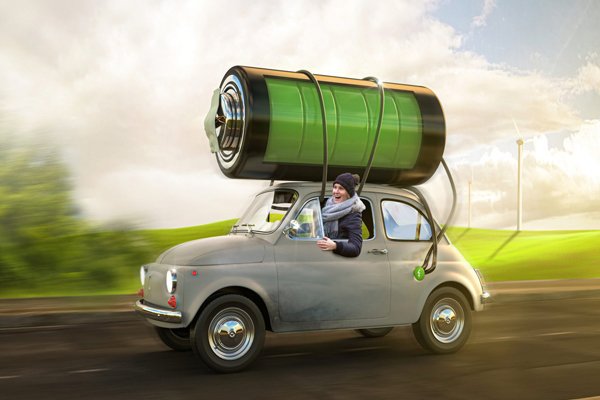
When electric vehicles entered the mainstream, they brought along a new cultural term: Range Anxiety. It described the unease drivers felt about not reaching their destination before the battery ran out. It wasn't just a technical limitation—it was a psychological one. Despite data on battery ranges and charging stations, the fear lingered.
This fear wasn't about distance, but about dependence. Drivers felt trapped in an invisible box drawn by infrastructure gaps and reliability doubts.
Enter the New Fear: "Grid Dread"
Now, a similar psychological barrier is emerging in the broader energy landscape: we call it Grid Dread. It refers to the unsettling fear that the electricity grid may not deliver when it’s needed most.
In Germany, where the "Energiewende" (Energy Transition) has made solar and wind ubiquitous, this dread intensifies in winter. Days are shorter, solar output dips, and headlines warn of "Dunkelflaute" (dark doldrums). In this environment, Grid Dread becomes the new Range Anxiety.
It’s no longer about getting home – it’s about keeping the home warm.
A Changing World: Why This Fear Is Rational
While fossil fuels still dominate much of the global energy supply, they are increasingly:
- Politically unstable (think Russia-EU gas conflicts)
- Environmentally destructive (CO₂ goals, air pollution)
- Logistically volatile (price spikes, supply bottlenecks)
The psychological security that came with "just turn up the thermostat" is breaking down.
People intuitively understand: this energy abundance is temporary.
Solarwarp®: The Antidote to Grid Dread
Solarwarp® isn’t just about storing solar energy—it’s about restoring confidence. By capturing the abundant sunlight of summer and preserving it as chemical energy (H₂O₂), it provides:
- Seasonal reliability
- Off-grid autonomy
- Tangible security
Whereas batteries offer hours or days of buffer, Solarwarp® stretches that into months. It dissolves Grid Dread by proving that energy can be not just generated, but banked.
Building a New Energy Psychology
Just as Tesla addressed Range Anxiety through dense charging networks and long-range models, Solarwarp® addresses Grid Dread by:
- Making storage visible and local
- Providing simple user experience
- Enabling seasonal self-sufficiency
In the public imagination, Solarwarp® becomes not a box of technology, but a symbol of resilience.
Conclusion: Towards Energy Serenity
We will not win the energy transition through facts alone. We must tackle the emotions and mental models that guide real-world adoption.
By naming the fear—Grid Dread—and offering a credible answer, Solarwarp® positions itself not just as a product, but as a psychological enabler of change.
solarwarp.energy – Free your energy.